
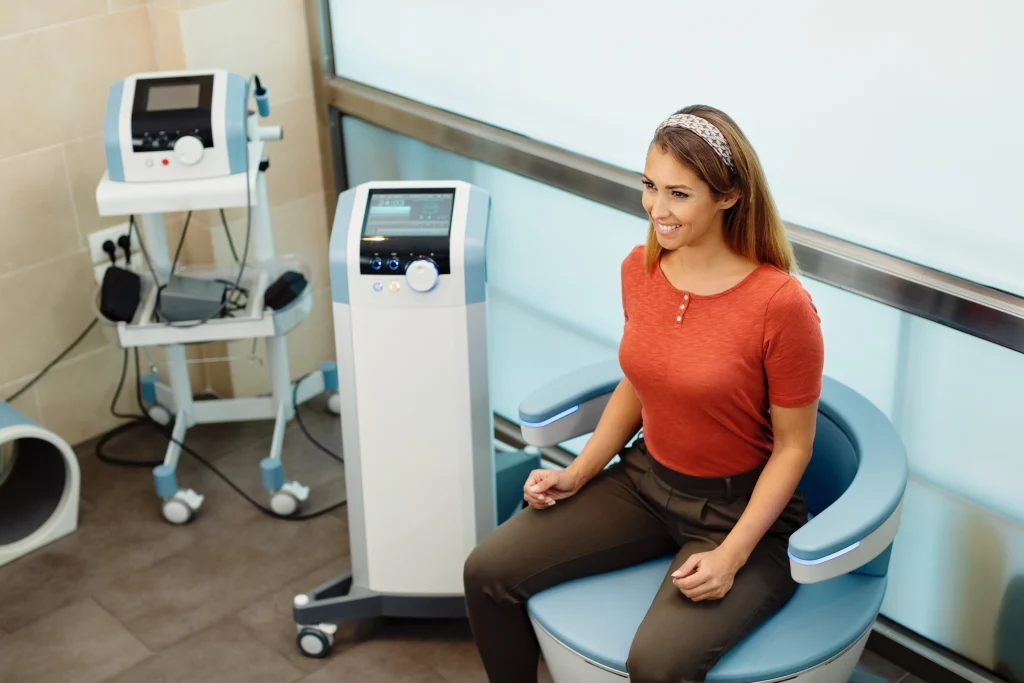
What Is Pelvic Floor Dysfunction?
Pelvic Floor Dysfunction occurs when the muscles supporting your bladder, uterus, rectum, and pelvic organs are weak or damaged.
- Common symptoms: Urinary leakage, bowel control issues, pelvic heaviness, discomfort during intercourse.
- Who is affected: Postpartum women, menopausal women, men with prostate issues, and anyone with sedentary habits.
- Treatment options: Kegel exercises, Kegel chair therapy, minimally invasive treatments like Emluv, physical therapy, and, in severe cases, surgery.
Early care and consistent training can strengthen muscles, improve organ support, and enhance quality of life.
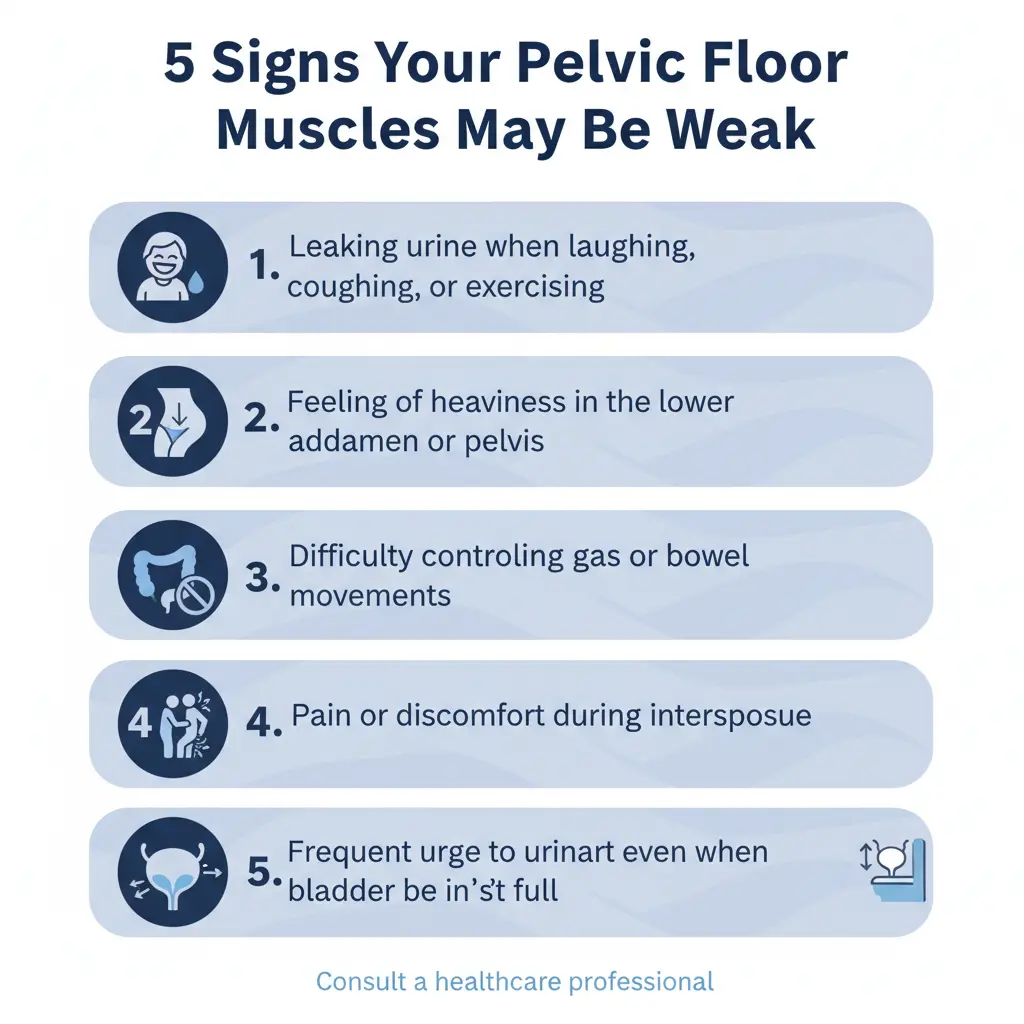
5 Signs Your Pelvic Floor Muscles May Be Weak
1. Leaking urine when laughing, coughing, or exercising
A common sign of weakened pelvic floor muscles.
Tip: Avoid holding your breath during activity and consider Kegel chair therapy for supportive training.
2. Feeling of heaviness in the lower abdomen or pelvis
Persistent pressure or a “dropping” sensation may indicate early pelvic organ prolapse.
Tip: Avoid straining during bowel movements and maintain good posture.
3. Difficulty controlling gas or bowel movements
Occasional accidental gas or mild stool leakage can signal poor pelvic floor coordination.
Tip: Don’t delay bowel movements. Eat more fiber and stay hydrated to prevent constipation.
4. Pain or discomfort during intercourse
Weak pelvic floor muscles may cause tightness or discomfort.
Tip: Use lubrication and consult a pelvic health specialist if pain persists.
5. Frequent urge to urinate even when the bladder isn’t full
Sudden or frequent urinary urges may indicate weak or overactive pelvic floor muscles.
Tip: Limit caffeine and carbonated drinks, and practice gradual bladder training.
How Can You Maintain or Improve Pelvic Floor Health?
Daily prevention tips:
- Maintain a healthy weight to reduce pelvic pressure
- Avoid prolonged sitting; prevent constipation with fiber-rich diet and hydration
- Practice good posture — stand/sit tall with relaxed shoulders
- Do regular Kegel exercises to strengthen pelvic floor muscles
- Use a Kegel chair for passive pelvic floor training
What Causes Pelvic Floor Dysfunction?
- Pregnancy and childbirth — stretching or injury to pelvic muscles
- Aging and menopause — hormone changes weaken tissues
- Sedentary lifestyle — prolonged sitting reduces muscle tone
- Chronic constipation or heavy lifting — puts extra strain on pelvic floor
- Surgery or trauma — may weaken pelvic support
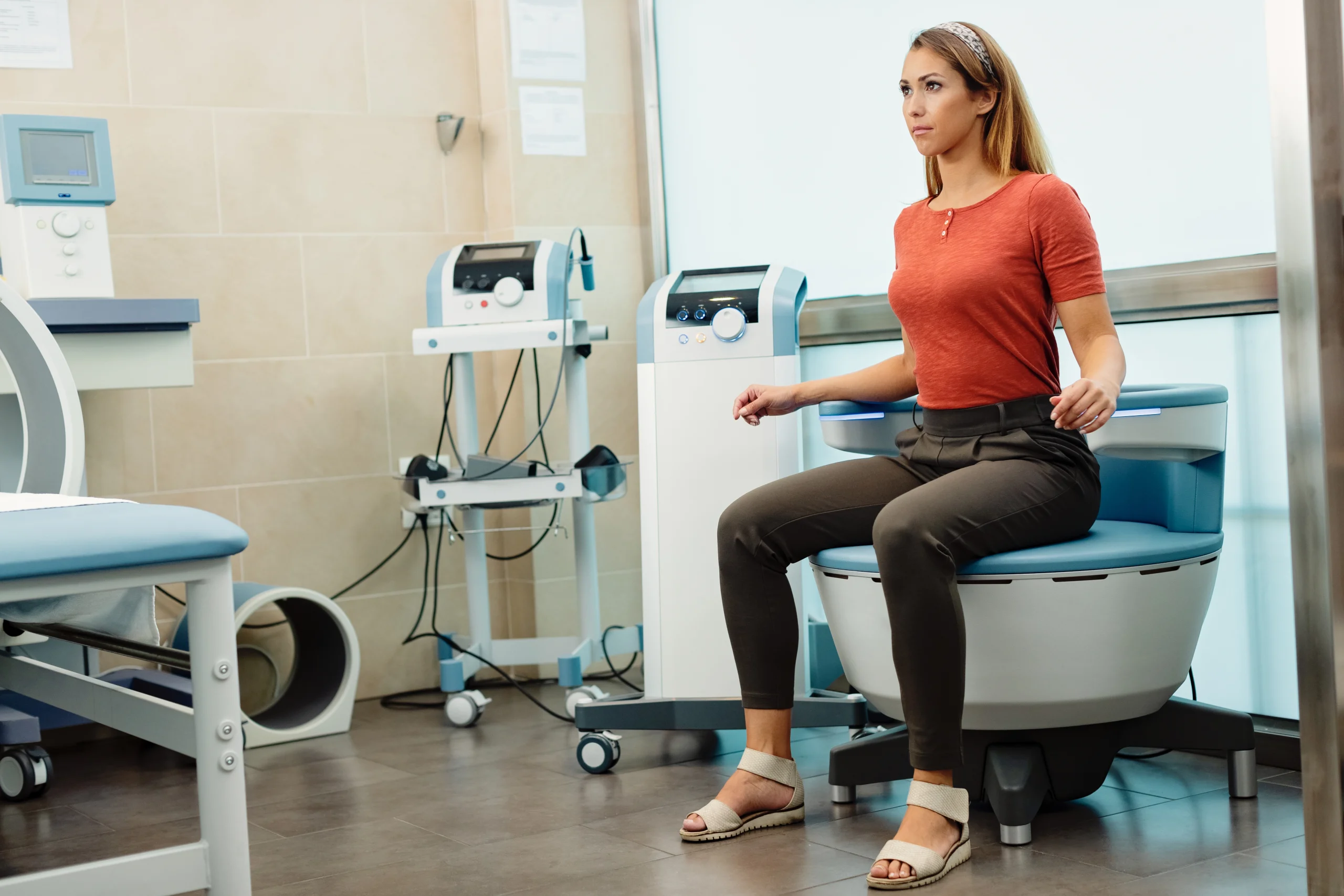
How Is Pelvic Floor Dysfunction Treated?
1. Physical Therapy
- Pelvic floor exercises, postural adjustments, electrical stimulation
2. Medication
- For urinary urgency, overactive bladder, or muscle relaxation
3. Surgery
- For severe pelvic organ prolapse or advanced dysfunction
4. Minimally Invasive Treatments
- Emluv Treatment: Non-surgical, strengthens pelvic floor muscles, improves bladder/uterus/rectum support, quick (~28 min) and painless
Pre- and Post-Treatment Guidelines
Before Treatment:
- Maintain bladder and bowel health; avoid constipation.
- Reduce caffeine and alcohol intake.
- Inform your provider of previous surgeries or chronic conditions.
After Treatment:
- Avoid heavy lifting or prolonged sitting for at least 48 hours.
- Continue pelvic floor exercises as guided by your clinician.
- Monitor for unusual symptoms and consult your doctor if needed.
Combining Kegel chair therapy or Emlux treatment can accelerate recovery and strengthen pelvic floor muscles faster.
Frequently Asked Questions (FAQ)
Q1: Does pelvic floor weakness affect all women?
Anyone can develop weakness, but it’s more common in postpartum women, menopausal women, or those who sit for long periods.
Q2: Can a Kegel chair therapy replace manual exercises?
The kegel chair therapy provides passive stimulation and works best when combined with manual Kegel exercises.
Q3: Is Emlux Treatment surgical? Is it safe?
Emlux is minimally invasive and non-surgical. Safe and effective, but professional evaluation is needed.
Q4: Do all urinary incontinence cases require surgery?
Most mild to moderate cases can be managed with urinary incontinence treatment or minimally invasive therapy. Surgery is only for severe cases.
Q5: How can I maintain long-term pelvic floor health?
Regular exercise, a healthy diet, weight management, pelvic floor training (Kegel), and using a kegel chair are key.
Conclusion
Pelvic floor weakness is common, especially in postpartum women, menopausal women, and those with sedentary lifestyles.
Early recognition, consistent training, and combining pelvic floor care and kegel chair therapy can significantly improve muscle strength and overall quality of life.
Listen to your body, prioritize prevention, and seek professional care when needed — restore your pelvic floor health and confidence.